
https://youtu.be/XtROkdng29k

https://youtu.be/XtROkdng29k
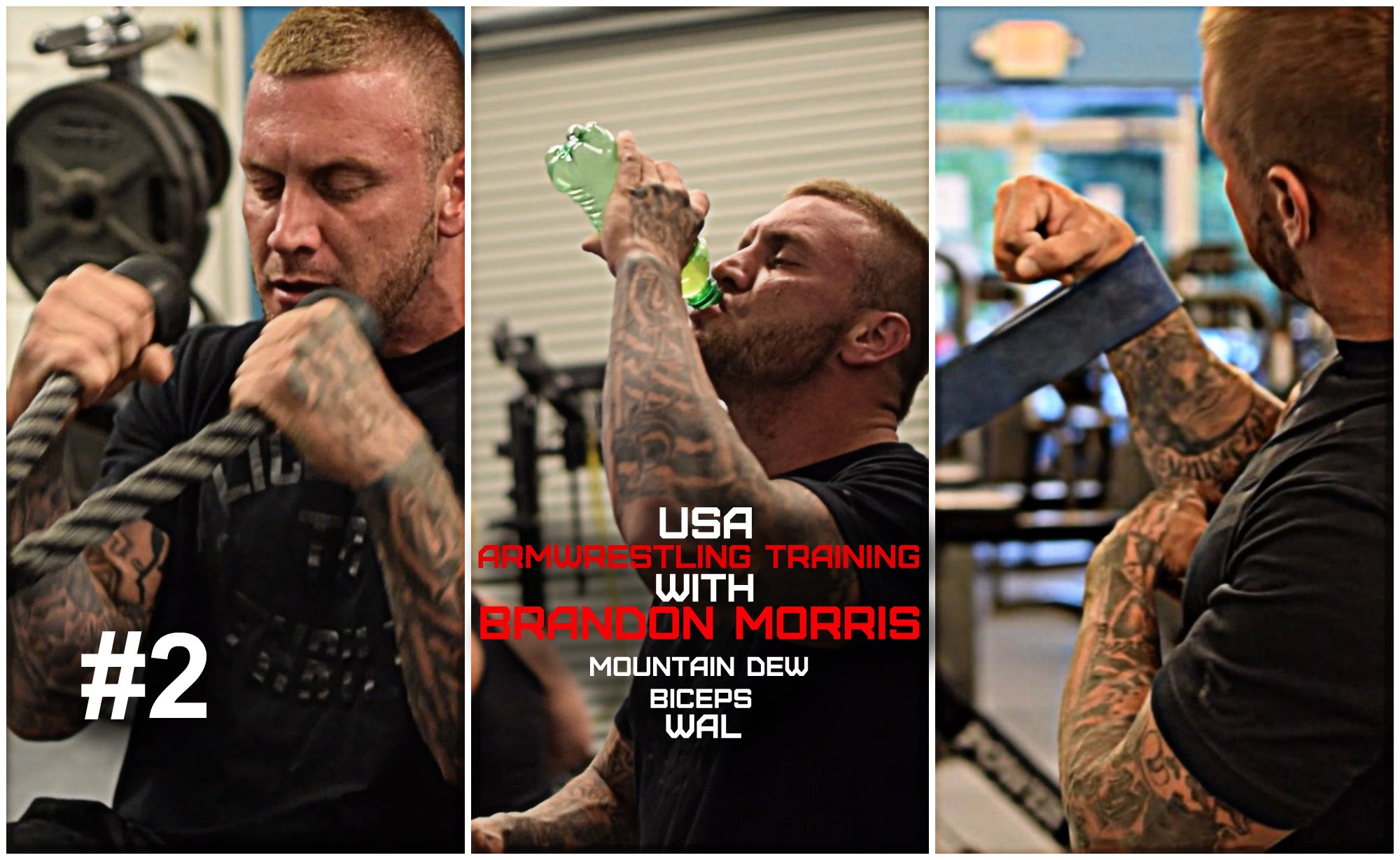
https://youtu.be/l_696rm9qx8
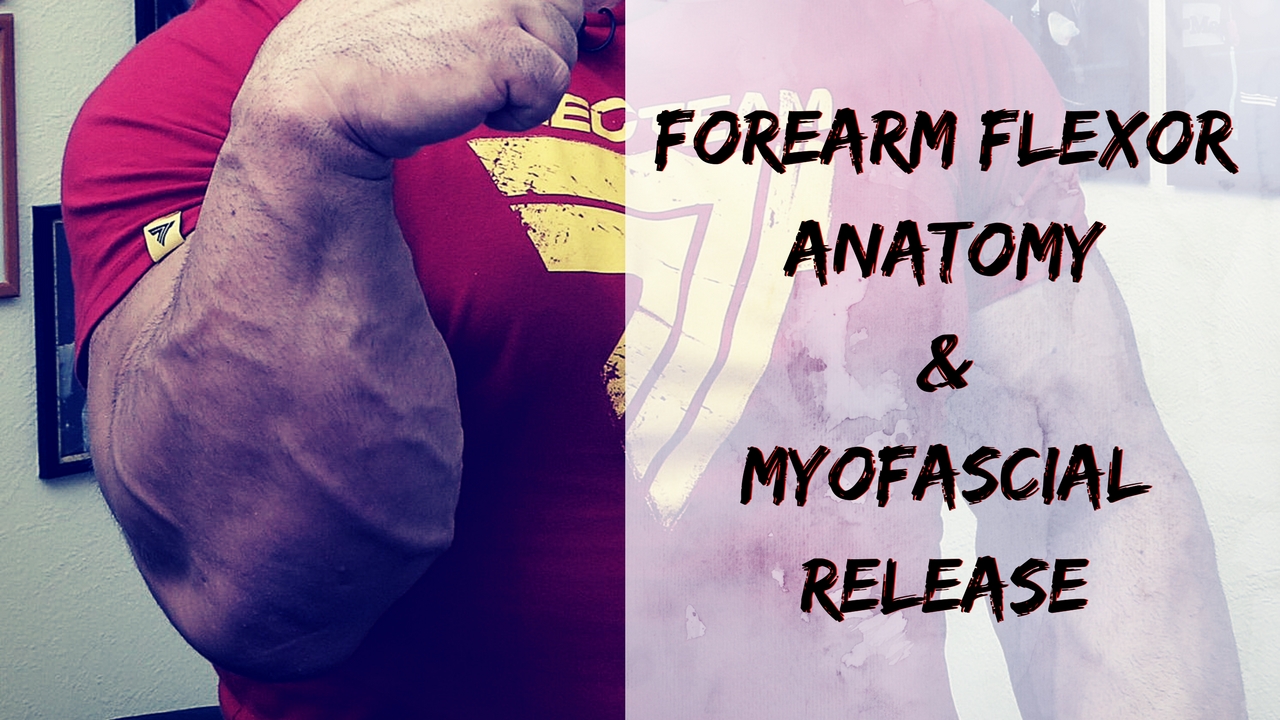
These muscles are largely involved with pronation. The superficial muscles have their origin on the common flexor tendon. The ulnar nerve and artery are also contained within this compartment.The flexor digitorum superficialis lies in between the other four muscles of the superficial group and the three muscles of the deep group. This is why it is also classified as the intermediate group.
Pain in different place of your arm can be caused by a lot of factors. But if pain is located on your muscle there is a big chance it`s a tight spot or trigger point. Armwrestling involves a lot of same movements from gripping (wrist and finger flexion). Any kind of moment that has been overdone can cause muscles to get tight. In this video we are showing some ideas about how to do self massage on your forearm flexor muscles using specific equipment and using things you can find in almost any gym. If your forearms get tight try these and leave a comment did it help.
For more Armwrestling videos click this button:

The muscles of the forearm can be divided into two groups: anterior (flexors) and posterior (extensors).Both the flexors and extensors are further divided into superficial and deep layers.The forearm muscles that control the movement of the hands are known as extrinsic hand muscles. These muscles originate outside the hand and insert on structures within it.
Shown here, the extrinsic hand muscles are the flexor carpi radialis, palmaris longis, flexor carpi ulnaris, and flexor digitorum superficialis.These muscles move the wrist, hand, fingers and thumb.The pronator teres inserts on the radius and pronates the forearm and hand.
The superficial muscles in the anterior compartment are the flexor carpi ulnaris, palmaris longus, flexor carpi radialis and pronator teres. They all originate from a common tendon, which arises from the medial epicondyle of the humerus.
Flexor Carpi Ulnaris
Palmaris Longus
This muscle is absent in about 15% of the population.
Dissection Tip: Just distal to the wrist, if you reflect back the palmaris longus, you will find the median nerve immediately underneath it
Flexor Carpi Radialis
Pronator Teres
The lateral border of the pronator teres forms the medial border of the cubital fossa, an anatomical triangle located over the elbow.
The flexor digitorum superficialis is the only muscle of the intermediate compartment. It can sometimes be classed as a superficial muscle, but in most cadavers it lies between the deep and superficial muscle layers.
The muscle is a good anatomical landmark in the forearm – the median nerve and ulnar artery pass between its two heads, and then travel posteriorly.
There are three muscles in the deep anterior forearm; flexor digitorum profundus, flexor pollicis longus, and pronator quadratus.
Flexor Digitorum Profundus
Flexor Pollicis Longus
This muscle lies laterally to the FDP.
Pronator Quadratus
A square shaped muscle, found deep to the tendons of the FDP and FPL.

Myofascial release (MFR, self-myofascial release) is an alternative medicine therapy that claims to treat skeletal muscle immobility and pain by relaxing contracted muscles, improving blood and lymphatic circulation, and stimulating the stretch reflex in muscles.
Fascia is a thin, tough, elastic type of connective tissue that wraps most structures within the human body, including muscle. Fascia supports and protects these structures. Osteopathic theory proposes that this soft tissue can become restricted due to psychogenic disease, overuse, trauma, infectious agents, or inactivity, often resulting in pain, muscle tension, and corresponding diminished blood flow.
Myofascial release focuses on reducing pain by easing the tension and tightness in the trigger points. It’s not always easy to understand what trigger point is responsible for the pain. Localizing pain to a specific trigger point is very difficult. For that reason, myofascial release is often used over a broad area of muscle and tissue rather than at single points.
All things I`m using in video you can find by clicking on picture.
FOAM ROLLER

Nano Triggerpoint Roller

Myofascial Release Ball

For more Armwrestling videos click this button:
https://youtu.be/JtfHw8NyEGw
Raimonds Liepiņš – Coach RayX
INSTAGRAM: https://www.instagram.com/coach_rayx/
FACEBOOK: https://www.facebook.com/coach.rayx
TWITTER: https://twitter.com/RaimondsLiepins
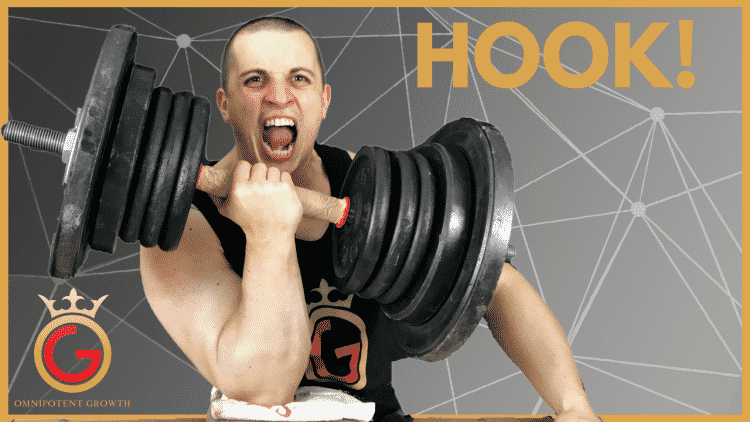
Sometimes you can’t get the first hit and the opponent attacks before you…
In that situation, it’s critical to have massive biceps power so that you can hold that hit!
In this video, you will see how to train your basis strength in Defensive Hook. (I will do 3 reps with 70kg Dumbbell!)
Consider subscribing if you want to be up to date with the newest videos containing exclusive value: SUBSCRIBE

Have you ever wondered what is the difference between the beginners, Intermediates and pro pullers?
Except for the “genes” part that some people are using as an excuse, the MAIN difference comes from preparation!
If you want to understand better the different levels of Armwrestling preparation you can watch this video.
Consider subscribing if you want to be up to date with the newest videos containing exclusive value: SUBSCRIBE
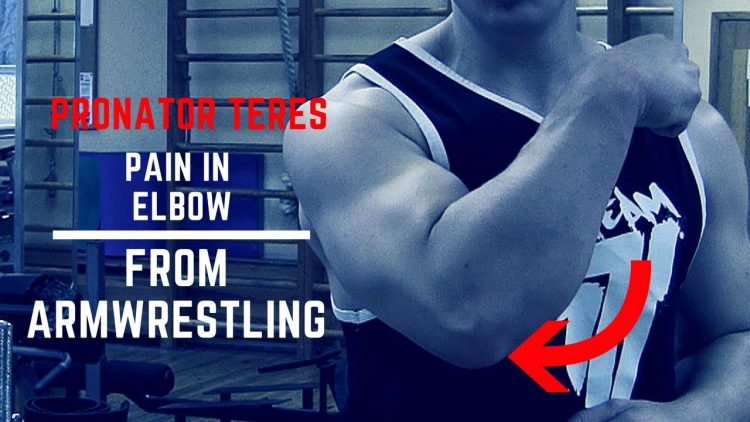
Pain in elbow from armwrestling movements is nothing new. We all have experienced different kind of pain in elbow joint sometimes it`s tendons but sometimes its one or many of muscles involved in movement. With this video we are starting series that focus on things that could cause pain in elbow. Today we are talking about muscle named Pronator Teres. it`s main function is to pronate arm and flex elbow. Sometimes from all pronation and elbow flexion this muscle can get tight and shorten what you need to do is to release it with trigger point active release techniques. you need to release it. It can cause pain in medial epicondylus and in muscles surrounding your elbow, also numbness in fingers. All symptomes can cause something called Pronator Teres Syndrome.

Pronator teres syndrome is a compression neuropathy of the median nerve at the elbow. It is rare compared to compression at the wrist (carpal tunnel syndrome) or isolated injury of the anterior interosseous branch of the median nerve (anterior interosseous syndrome).
The most common cause is entrapment of the median nerve between the two heads of the pronator teres muscle. Other causes are compression of the nerve from the fibrous arch of the flexor superficialis, or the thickening of the bicipital aponeurosis.
The median nerve passes through the cubital fossa and passes between the two heads of pronator teres muscle into the forearm. It then runs between flexor digitorum superficialis and flexor digitorum profundus muscles and enters the hand through the carpal tunnel.

The pronator teres has two heads—humeral and ulnar.
The median nerve enters the forearm between the two heads of the muscle, and is separated from the ulnar artery by the ulnar head.
The muscle passes obliquely across the forearm, and ends in a flat tendon, which is inserted into a rough impression at the middle of the lateral surface of the body of the radius, just distal to the insertion of the supinator.
The lateral border of the muscle forms the medial boundary of the triangular hollow known as the cubital fossa, which is situated anterior to the elbow.
Take a look at the following picture of two men arm wrestling, paying close attention to the position of the forearm of the person who is winning this match.
The name of the pronator teres gives away its function. Pronation refers the inward rotation of a body part towards the middle of the body. Since the pronator teres is located in the forearm, its function is to rotate (pronate) the forearm inward. Think back to the arm wrestling example from the beginning of the lesson; an arm wrestler must internally rotate (pronate) their forearm in order to pin the arm of their opponent.
The pronator teres is not only used during arm wrestling; this muscle is used hundreds of times each day. Performing simple tasks like brushing your teeth, combing your hair, and eating all require forearm pronation, and therefore require the use of the pronator teres. The pronator teres also functions to flex the forearm, which involves bending the arm at the elbow joint.
For more Armwrestling videos click this button:


Instagram post by Евгений Прудник: ” В театре выходной, зато рабочий день в зале)) 64кг на 30сек…маловато ”
Google Translate: ” In the theater, the day off, but the working day in the hall)) 64kg for 30 seconds … not enough ”

Scot Mendelson looks stronger than Herman Stevens, but I would really like to see a super match between them, because this was during a practice session when both had sweat on them before the matches started.
Armwrestling practice with Scot Mendelson, Herman Stevens, Vazgen Soghoyan, Alex DeLa Torre &company

Source: Vazgen Soghoyan

In the 1st video you can watch sparring training Sergey Tokarev vs. Sergey Bogoslovov. And in the 2nd video you can watch Sergey Bogoslovov doing static holds with up to 100 kg on a pulley system.
Спаринг тренировка с Сергеем Токаревым 13.08.2017 [Google Translate: Sparring training with Sergey Tokarev 13 August 2017]
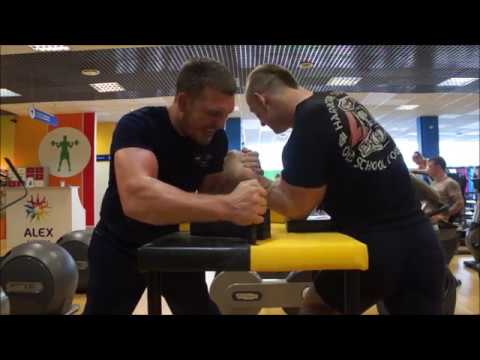
Статика через блок 11.08.2017 [Bing Translator: Static through block 11 August 2017]

Source: Sergey Bogoslovov
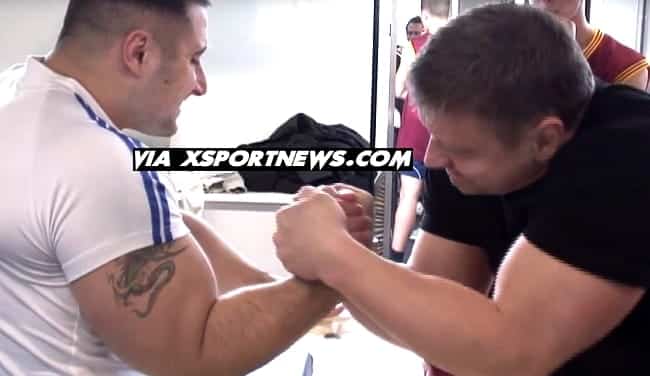
In the first video Krasimir Kostadinov explains how he trains against top-rollers for both high-hand and low-hand, and how he trains his hook. He explains that this is the best method (training against top-roll at the armwrestling table) to train the wrist and the fingers. In the following videos he gives advice to each armwrestler on how to improve.
Krasimir Kostadinov at Amsterdam Armwrestling: trainings tips

Krasimir at Amsterdam Armwrestling 1

Krasimir Kostadinov at Amsterdam Armwrestling 2

Krasimir Kostadinov at Amsterdam Armwrestling 3

Krasimir Kostadinov at Amsterdam Armwrestling 4

Source: amsterdamarmwrestlin


