Many physicians consider NSAIDs to be the medication of choice for managing musculoskeletal pain and injury. However, studies have questioned their value in the healing process of bone, muscle, tendon, and ligament injuries and their use carries the risk of potentially serious adverse effects. Animal and human studies have linked NSAID use to poor fracture healing. There appears to be little role for NSAIDs in tendinopathy outside of initial symptomatic pain relief. Animal studies provide conflicting evidence of efficacy in ligament injury, but human trials suggest that short courses may be of benefit in acute injury. Experimental animal models mostly demonstrate no effect on muscle healing or a reduction in muscle strength. Alternatives for analgesia in musculoskeletal injuries include acetaminophen, opiate-containing medication, and topical preparations. (J Musculoskel Med. 2011;28:207-212)


Tendon injury
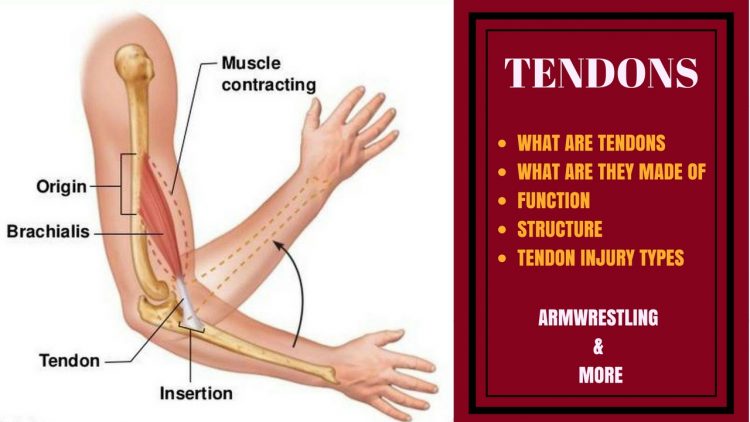
The treatment goal for tendinopathy, as for fractures, is decreased pain and return to normal function. The term “tendinopathy” has been associated with both chronic tendon degeneration (tendinosis) and acute injury (tendinitis). The majority of tendon disorders are deemed to be chronic, degenerative changes (tendinosis rather than tendinitis) and acute tendon injury resulting from overloading of tissue that already has undergone degenerative changes.
Studies have demonstrated that prostaglandins and leukotrienes are produced during the acute phase of a tendon injury and may be involved in the subsequent degenerative changes over the long term. In the first few days after acute tendon injury, there is an initial inflammatory phase with angiogenesis, increased vascular permeability, and entry of inflammatory cells into the injury site. Prostaglandins are thought to be involved in these processes.
How Not to Treat Acute Inflammation
- If you’re experiencing acute inflammation – the type that occurs after an injury, after surgery, or after a muscle-fiber damaging workout – avoid taking any NSAIDS. While they’ll help quell the pain, they impede the healing process and in the case of muscles, they may well impede further growth. Granted, the occasional use of NSAIDS won’t likely pose much of a problem, but if you take them regularly, the odds are high that you’re impeding muscle growth.
- Reconsider icing sore muscles. The initial thinking was that it was safe to ice a muscle because there was no need for immune cells to get all angried up when the injury was internal and there was no possibility of infection. The trouble is, that’s short sighted. Granted, icing will help with pain, but since we now know that inflammation is necessary for muscles to grow bigger and stronger, icing is likely counterproductive.
Instead, Treat Acute Inflammation Like This…
- If you’re hurting from acute inflammation caused by an injury or you’re debilitated from a brutal workout and you simply can’t handle it, consider using acetaminophen. While it does exhibit some anti-inflammatory effects, it’s more of an analgesic.
- If pain persists after a couple of days, take any NSAID you feel is necessary, or, preferably, take appropriate doses of Curcumin. Curcumin is a potent anti-inflammatory and it blocks a host of inflammatory compounds by a certain reasonable percentage, as opposed to blocking one particular inflammatory compound by 100 percent. As an example of the latter, the prescription painkiller Vioxx shuts down COX-2 production completely and got lots of bad press for causing all those pesky heart attacks.