Category: ARMWRESTLING

Aymeric Pradines

Aymeric Pradines, Profile

Aymeric Pradines
Aymeric Pradines

Name: Aymeric Pradines Aymeric Pradines - facebook page YouTube - Aymeric Pradines @aymeric_pradines - instagram

Nickname: Handsome

Birthdate: 31 August 1986

Country: France 🇫🇷

— XSportNews.com —  Measurements  — XSportNews.com —

Height: 180 cm (5’11”)

Weight: 95 – 105 kg  (209 – 231 lb)

Biceps 💪

Forearm

Wrist

48 cm (18.9″)

43 cm (16.9″)

21 cm (8.3″)

— XSportNews.com —                       — XSportNews.com —

Preferred armwrestling technique(s): Toproll

Preferred hand: Left Hand

When and how did you start armwrestling: 2011

Armwrestling record (best results):

    • 4th place – EUROARM 2015 – Senior Men 100 kg Left
    • 3rd place – Zloty Tur 2015 – 95kg, SENIOR MEN RIGHT 95KG
    • 1st place – WAL Europe 2016 – 225 lb (-102.2 kg) Left & Right
    • 2017 French Overall National Champion (watch the 2nd video posted below)

Armwrestling projects: Develop and promote Armwrestling sport in France.

Armwrestling goal: Be world champion WAF and Zloty.

Toughest match: Right hand: Michal Weglicki Poland, Zloty semi final / Roman Belvarov Russia, A1
Left hand: Garry Rickett England, ARM WARS / Dimitry Trubin Kazakhstan, Italy international tournament

Toughest opponent(s): Dave Chaffee, Krasimir Kostadinov.

Occupation: Physiotherapist

What motivates you: I love this sport, Be one of best in the world in my weight class

Preferred armwrestler(s), someone who you really admire in armwrestling: John Brzenk, Evgeny Prudnik, Rustam Babayev, Engin Terzi, Alexey VoevodaVitaly LaletinKrasimir Kostadinov.

Favorite quote / an idea that guides you in life: No pain no Gain.

Where do you see yourself in 10 years from now: In 10 years hope to continue to Armwrestling and be among of the best.

Message to your fellow armwrestlers / pullers: Keep hard training, stay away from injury, and enjoy time at table.

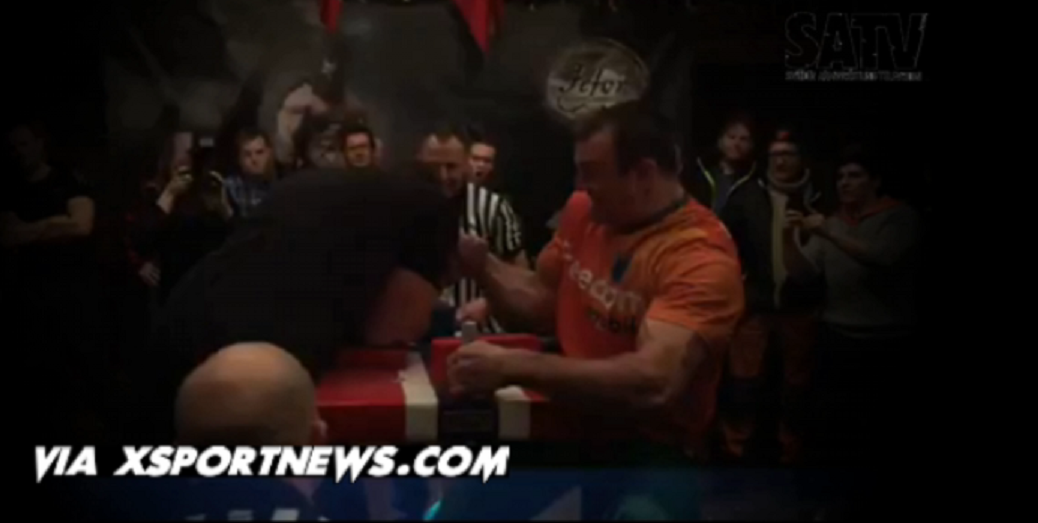
AYMERIC PRADINES – HIGHLIGHTS 2012-2015

Championnat de France 2017 – Bras de Fer Sportif


Source: Aymeric Pradines

________

INFO: This is 2nd armwrestler profile made on XSportNews. Many more profiles of armwrestlers / pullers will follow this one. If you have very good results in armwrestling or you are promoting armwrestling in different projects, you can send your profile to XSportNews – Facebook page.

Don`t take ibuprofen to stop inflammation for Arm Wrestling. This is killing your gains.

Many physicians consider NSAIDs to be the medication of choice for managing musculoskeletal pain and injury. However, studies have questioned their value in the healing process of bone, muscle, tendon, and ligament injuries and their use carries the risk of potentially serious adverse effects. Animal and human studies have linked NSAID use to poor fracture healing. There appears to be little role for NSAIDs in tendinopathy outside of initial symptomatic pain relief. Animal studies provide conflicting evidence of efficacy in ligament injury, but human trials suggest that short courses may be of benefit in acute injury. Experimental animal models mostly demonstrate no effect on muscle healing or a reduction in muscle strength. Alternatives for analgesia in musculoskeletal injuries include acetaminophen, opiate-containing medication, and topical preparations. (J Musculoskel Med. 2011;28:207-212)

Tendon injury
The treatment goal for tendinopathy, as for fractures, is decreased pain and return to normal function. The term “tendinopathy” has been associated with both chronic tendon degeneration (tendinosis) and acute injury (tendinitis). The majority of tendon disorders are deemed to be chronic, degenerative changes (tendinosis rather than tendinitis) and acute tendon injury resulting from overloading of tissue that already has undergone degenerative changes.

Studies have demonstrated that prostaglandins and leukotrienes are produced during the acute phase of a tendon injury and may be involved in the subsequent degenerative changes over the long term. In the first few days after acute tendon injury, there is an initial inflammatory phase with angiogenesis, increased vascular permeability, and entry of inflammatory cells into the injury site. Prostaglandins are thought to be involved in these processes.

How Not to Treat Acute Inflammation

  1. If you’re experiencing acute inflammation – the type that occurs after an injury, after surgery, or after a muscle-fiber damaging workout – avoid taking any NSAIDS. While they’ll help quell the pain, they impede the healing process and in the case of muscles, they may well impede further growth. Granted, the occasional use of NSAIDS won’t likely pose much of a problem, but if you take them regularly, the odds are high that you’re impeding muscle growth.
  2. Reconsider icing sore muscles. The initial thinking was that it was safe to ice a muscle because there was no need for immune cells to get all angried up when the injury was internal and there was no possibility of infection. The trouble is, that’s short sighted. Granted, icing will help with pain, but since we now know that inflammation is necessary for muscles to grow bigger and stronger, icing is likely counterproductive.

Instead, Treat Acute Inflammation Like This…

  1. If you’re hurting from acute inflammation caused by an injury or you’re debilitated from a brutal workout and you simply can’t handle it, consider using acetaminophen. While it does exhibit some anti-inflammatory effects, it’s more of an analgesic.
  2. If pain persists after a couple of days, take any NSAID you feel is necessary, or, preferably, take appropriate doses of Curcumin. Curcumin is a potent anti-inflammatory and it blocks a host of inflammatory compounds by a certain reasonable percentage, as opposed to blocking one particular inflammatory compound by 100 percent. As an example of the latter, the prescription painkiller Vioxx shuts down COX-2 production completely and got lots of bad press for causing all those pesky heart attacks.

VIDEO: Armwrestling GRIP Training | Build a Grip of Iron

The best way to apply your strengths in Armwrestling is to have a good contact with your “steering wheel” that is your palm!
In this video, I will explain the basics of getting control of your hand and MAINLY how to build a stronger Grip 🙂

WATCH CLOSELY!

Consider subscribing if you want to be up to date with the newest videos containing exclusive value: SUBSCRIBE

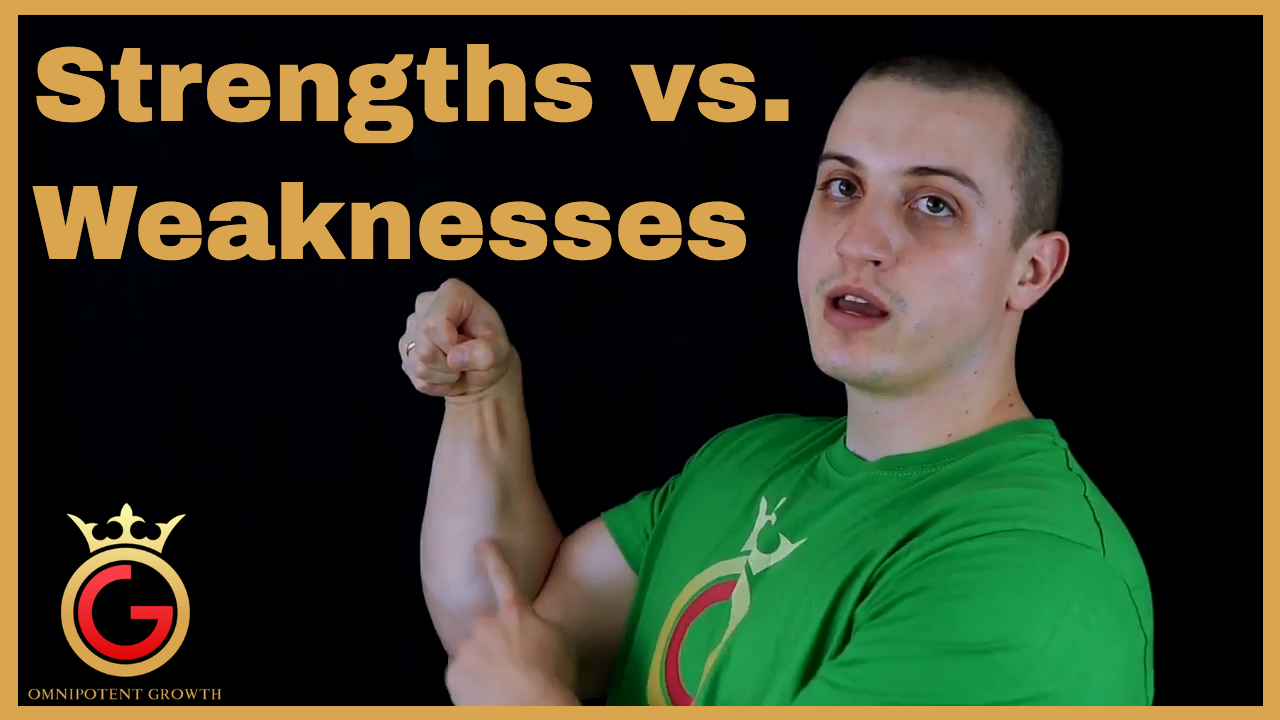
VIDEO: Should I Train My Strengths or Weaknesses | Armwrestling Strategy

I guess you wonder if you should train only hook or only your top-roll.
Also is it worth the time to train your weak angles when you “Never use them.”

In this video, I will give you clarity about how holistic is your preparation and how to not overlook small details!
WATCH CLOSELY!

Consider subscribing if you want to be up to date with the newest videos containing exclusive value: SUBSCRIBE


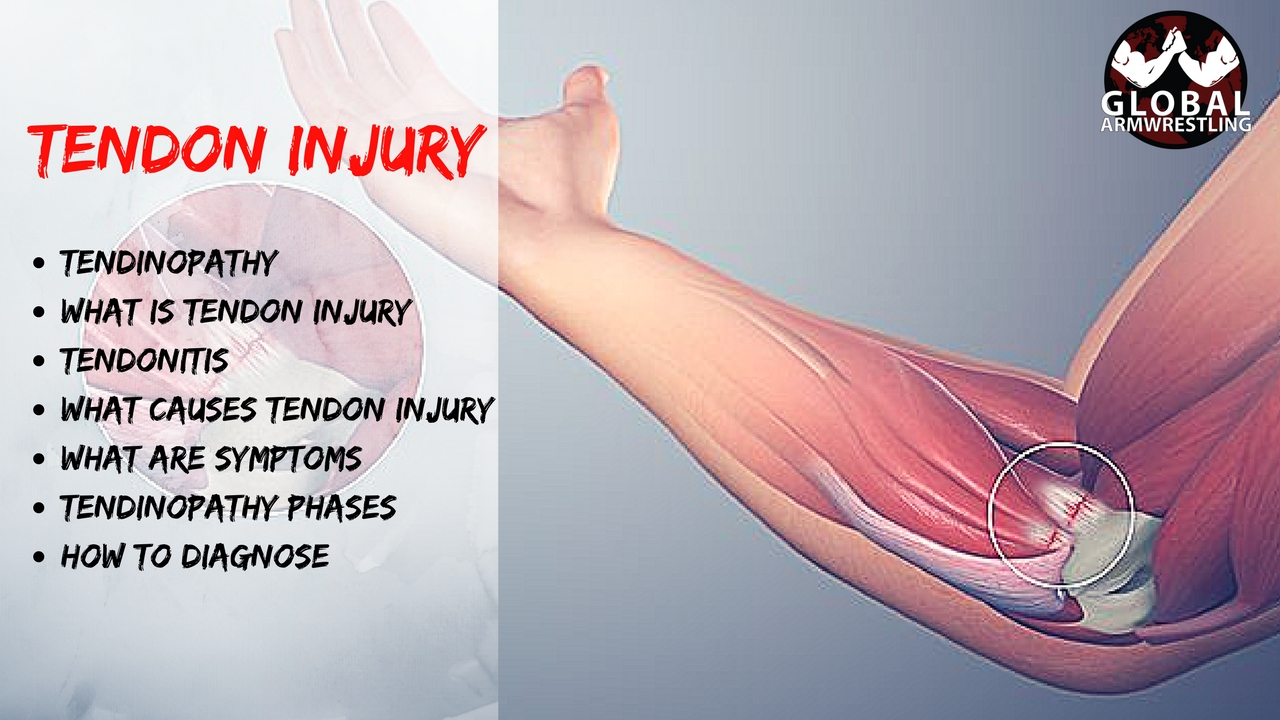
VIDEO: Tendinopathy (Tendon Injury)

Tendinopathy (tendon injuries) can develop in any tendon of the body.

Typically, tendon injuries occur in three areas:

  • musculotendinous junction (where the tendon joins the muscle)
  • mid-tendon (non-insertional tendinopathy)
  • tendon insertion (eg into bone)

Non-insertional tendinopathies tends to be caused by a cumulative microtrauma from repetitive overloading eg overtraining.


What is a Tendon Injury?

Tendons are the tough fibres that connect muscle to bone. Most tendon injuries occur near joints, such as the shoulder, elbow, knee, and ankle. A tendon injury may seem to happen suddenly, but usually, it is the result of repetitive tendon overloading. Health professionals may use different terms to describe a tendon injury. You may hear:

Tendinitis (or Tendonitis): This actually means “inflammation of the tendon,” but inflammation is actually normal tendon healing response which can cause some tendon pain. This is known as the reactive phase and is a good tendon healing response.

The problem really occurs when you healing rate is less than your injury rate – known as tendon dysrepair – which is when tendinopathies can quickly deteriorate into the degenerative (cell death) phase. This is characterized by collagen degeneration in the tendon due to repetitive overloading. These tendinopathies therefore do not respond well to anti-inflammatory treatments and are best treated with functional rehabilitation. The best results occur with early diagnosis and intervention.

What Causes a Tendon Injury?

Most tendon injuries are the result of gradual wear and tear to the tendon from overuse or ageing. Anyone can have a tendon injury, but people who make the same motions over and over in their jobs, sports, or daily activities are more likely to damage a tendon.

Your tendons are designed to withstand high, repetitive loading, however, on occasions, when the load being applied to the tendon is too great for the tendon to withstand, the tendon begins to become stressed.

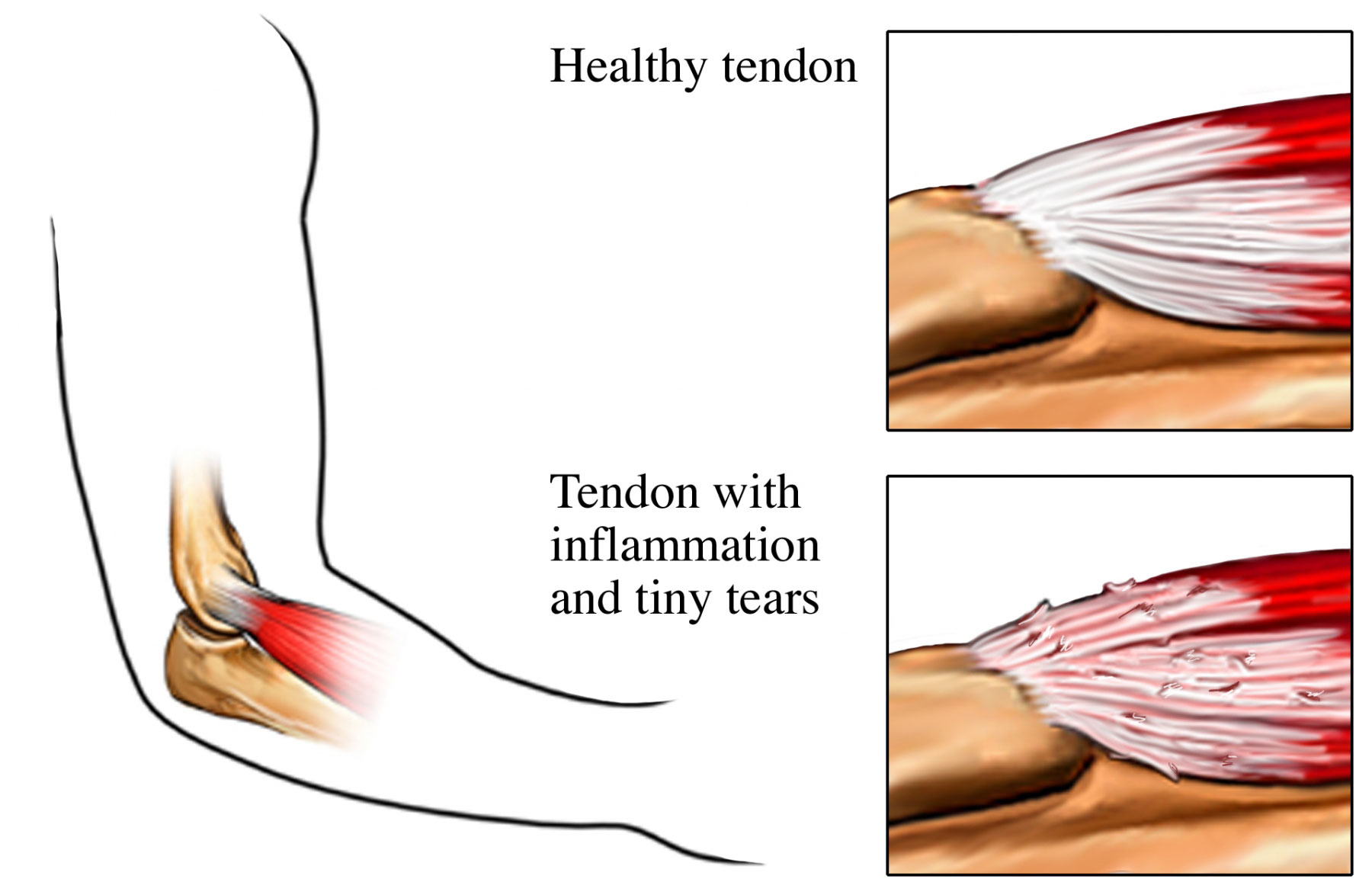
When tendons become stressed, they sustain small micro tears, which encourage inflammatory chemicals and swelling, which can quickly heal if managed appropriately.

However, if the load is continually applied to the tendon, these lesions occurring in the tendon can exceed the rate of repair. The damage will progressively become worse, causing pain and dysfunction. The result is a tendinopathy or tendinosis.

Researchers current opinion implicates the cumulative microtrauma associated with high tensile and compressive forces generated during sport or an activity causes a tendinopathy.

For example, in explosive jumping movements, forces delivered to the patellar tendon can be eight times your body weight. Cumulative micro trauma appears to exceed the tendon’s capacity to heal and remodel.


What are the Symptoms of Tendinopathy?

Tendinopathy usually causes pain, stiffness, and loss of strength in the affected area.

  • The pain may get worse when you use the tendon.
  • You may have more pain and stiffness during the night or when you get up in the morning.
  • The area may be tender, red, warm, or swollen if there is inflammation.
  • You may notice a crunchy sound or feeling when you use the tendon.

The symptoms of a tendon injury can be a lot like those caused by bursitis.

Tendinopathy Phases

The inability of your tendon to adapt to the load quickly enough causes tendon to progress through four phases of tendon injury. While it is healthy for normal tissue adaptation during phase one, further progression can lead to tendon cell death and subsequent tendon rupture.

1. Reactive Tendinopathy

  • Normal tissue adaptation phase
  • Prognosis: Excellent. Normal Recovery!

2. Tendon Dysrepair

  • Injury rate > Repair rate
  • Prognosis: Good. Tissue is attempting to heal.
  • It is vital that you prevent deterioration and progression to permanent cell death (phase 3).

3. Degenerative Tendinopathy

  • Cell death occurs
  • Poor Prognosis – Tendon cells are giving up!

4. Tendon Tear or Rupture

  • Catastrophic tissue breakdown
  • Loss of function.
  • Prognosis: very poor.
  • Surgery is often the only option.

It is very important to have your tendinopathy professionally assessed to identify it’s injury phase. Identifying your tendinopathy phase is also vital to direct your most effective treatment, since certain modalities or exercises should only be applied or undertaken in specific tendon healing phases.

How is a Tendon Injury Diagnosed?

To diagnose a tendon injury, your physiotherapist will ask questions about your past health, your symptoms and exercise regime. They’ll then do a physical examination to confirm the diagnosis. If your symptoms are severe or you do not improve with early treatment, specific diagnostic tests may be requested, such as an ultrasound scan or MRI.

For more Armwrestling videos click this button:

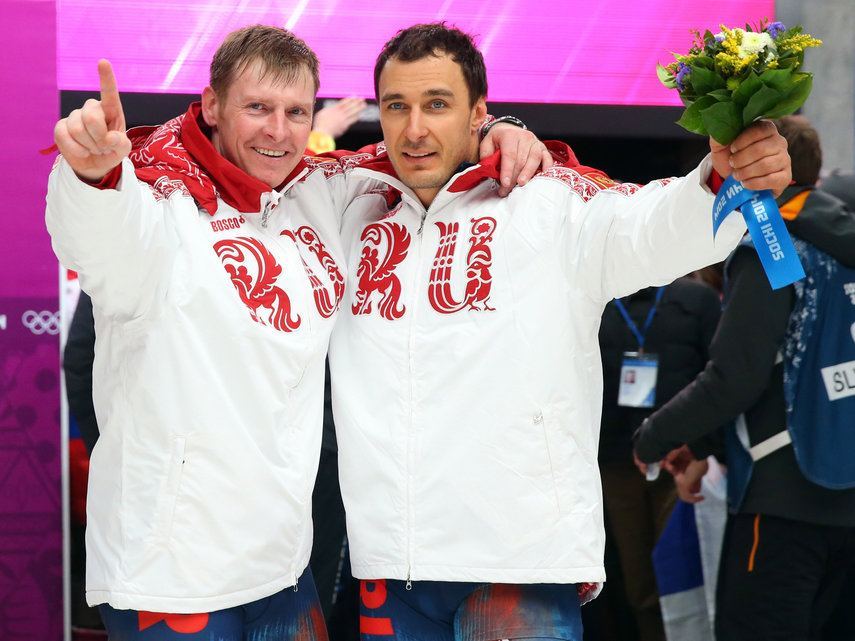
Alexander Zubkov and Alexey Voevoda – Sochi 2014

List of 28 Russian Athletes doping cases overturned by CAS

Alexander Zubkov and Alexey Voevoda – Sochi 2014

A total of 43 Russian athletes were banned by the IOC. Three more are still waiting to have their appeals heard and one — bobsledder Maxim Belugin — has not appealed.

The Court of Arbitration for Sport (CAS) overturned the IOC suspensions – for doping at the 2014 Winter Olympics – partially upholding 11 other appeals.

In the statement explaining its decision, Cas said its mandate “was not to determine generally whether there was an organised scheme allowing the manipulation of doping control samples in the Sochi laboratory”.

It said it was “strictly limited to dealing with 39 individual cases and to assess the evidence applicable to each athlete on an individual basis”.

CAS said that in 28 cases evidence was “insufficient” to prove doping.

Cas secretary general Matthieu Reeb said there was only “circumstantial evidence” that supported individual claims of doping.

He added: “It is a matter where there is no direct evidence, such as positive test or a voluntary admission.

“This does not mean that the 28 athletes are declared innocent, but due to insufficient evidence the appeals are upheld, the sanctions annulled and their results in Sochi are reinstated.”

Alexey Voevoda is NOT one of the 28 doping cases overturned by CAS – Court of Arbitration for Sport.

Alexander Zubkov, who was Alexey Voevoda’s teammate in both Two-man and Four-man bobsleigh at Sochi 2014, was one of the 11 (eleven) whose doping offences were confirmed.

List of Russian athletes cleared by CAS

” They were cleared of any anti-doping rule violation at the Games four years ago and had lifetime Olympic bans overturned.

1 Dmitry Trunenkov (bobsleigh)

2 Aleksei Negodailo (bobsleigh)

3 Olga Stulneva (bobsleigh)

4 Liudmila Udobkina (bobsleigh)

5 Aleksander Tretiakov (skeleton)

6 Sergei Chudinov (skeleton)

7 Elena Nikitina (skeleton)

8 Olga Potylitsyna (skeleton)

9 Maria Orlova (skeleton)

10 Alexander Legkov (cross-country skiing)

11 Evgeniy Belov (cross-country skiing)

12 Maxim Vylegzhanin (cross-country skiing)

13 Alexey Petukhov (cross-country skiing)

14 Nikita Kryukov (cross-country skiing)

15 Alexander Bessmertnykh (cross-country skiing)

16 Evgenia Shapovalova (cross-country skiing)

17 Natalia Matveeva (cross-country skiing)

18 Olga Fatkulina (speed skating)

19 Alexander Rumyantsev (speed skating)

20 Ivan Skobrev (speed skating)

21 Artem Kuznetcov (speed skating)

22 Tatyana Ivanova (luge)

23 Albert Demchenko (luge)

24 Ekaterina Lebedeva (ice hockey)

25 Ekaterina Pashkevich (ice hockey)

26 Tatiana Burina (ice hockey)

27 Anna Shchukina (ice hockey)

28 Ekaterina Smolentseva (ice hockey)

Reporting by Karolos Grohmann; Editing by Amlan Chakraborty “

Source: in.reuters.com

Also read these articles, in order to understand:

1. reuters.com ► CAS overturns doping bans on 28 Russian athletes

2. bbc.com ► Winter Olympics 2018: Court overturns life bans given to Russian athletes