Sub 2 channel! Don’t miss following videos with world legends – Stefan Lengarov, Stoyanov Golemanov, Georgi Tsvetkov, Hristo Delidjakov and many more.
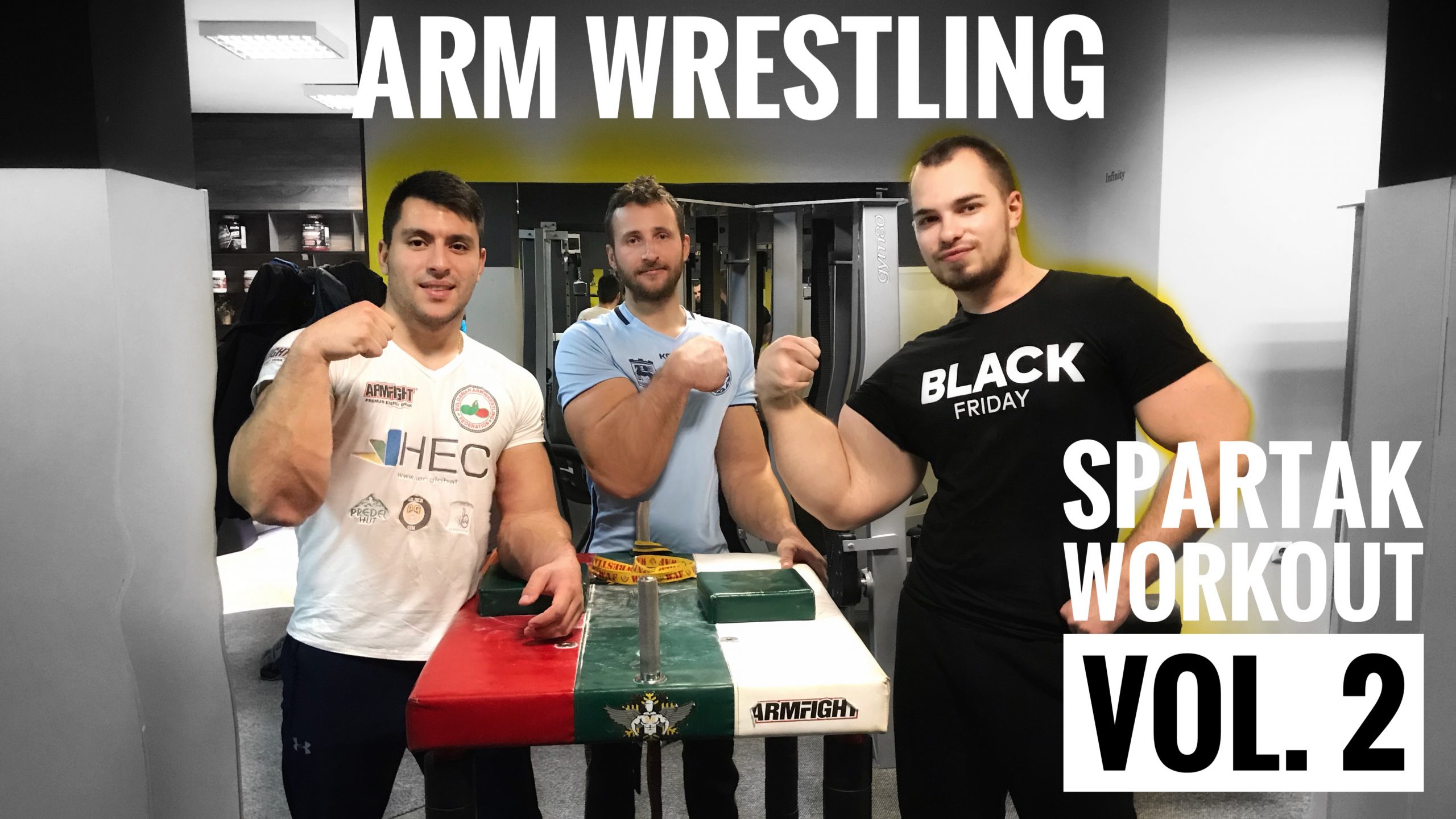
Sub 2 channel! Don’t miss following videos with world legends – Stefan Lengarov, Stoyanov Golemanov, Georgi Tsvetkov, Hristo Delidjakov and many more.

Source: ARMBETS TV
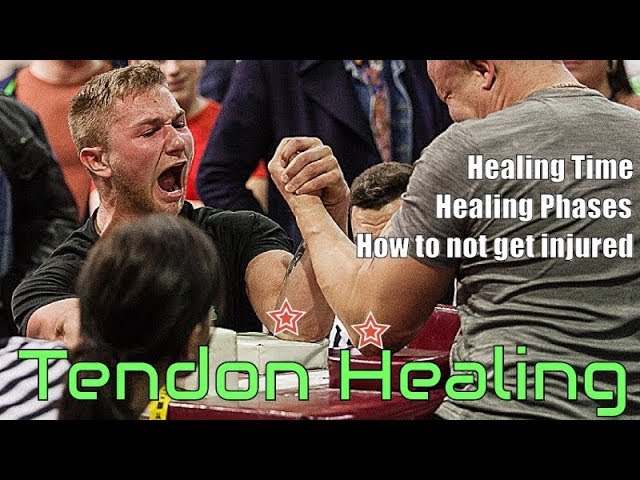
Tendon Healing
How is Tendinopathy Treated?
In most cases, you can start treating a tendon injury at home. To get the best results, start these steps right away:
Tendon healing can be largely divided into 3 overlapping phases, inflammatory repairing and remodelling phases:
The initial inflammatory phase, which lasts about 24 hours, erythrocytes, platelets and inflammatory cells (eg: neutrophils, monocytes and macrophages) migrate to the wound site and clean the site of necrotic materials by phagocytosis. In the meantime, these cells release phaso active and chemo tactic factors which recruit tendon fibroblast to begin collegan synthesis and deposition.
A few days after the injury, the repairing phase begins. In this phase, which lasts a few weeks, tendon fibroblast synthesise abundant collegan and other extra cellular matrix components such as proteoglycans and deposit them at the wound site.
After about 6 weeks, the remodelling phase starts. This phase is characterised by decreased cellularity and decreased collagen and glycosaminoglycan synthesis. During this period, the repair tissue changes to fibrous tissue, this again changes to scar like tendon tissue after 10 weeks. During the later remodelling phase covalent bonding between the collagen fibres increases resulting in repaired tissue with highest stiffness and tense our strength. Also, both the metabolism of tenocytes and tendon vascularity decline.
During tissue healing growth factors play an important role in this process.
1: Platelet Derived Growth Factor (PDGF) is produced shortly after tendon injury and stimulates the production of other growth factors.
2: TGF-beta is active during the inflammatory and repair phases of tendon healing. TGF-beta plays a major role in the repair of injured tendons. TGF-beta 1 aids an extra cellular matrix deposition; however, it’s over expression results in tissue fibrosis. TGF-beta 2 functions similarly to TGF-beta 1. However, TGF-beta 3 has been shown to improve tissue scarring. Peak levels of TGF-beta receptory expression occur at day 14 post injury and decrease until day 56 post injury.
It should be noted that, except for degenerative tendons (tendonosis), injured tendons tend to heal. However, the healing tendon does not reach the biomechanical properties of the tendon prior to surgery.

Subscribe to channel for more armwrestling videos
This is most common place where injuries happen and most common mistake while armwrestling. Tips from pros on how to not get your arm broken in armwrestling.
Down is compilation video on arm breaks in armwrestling. All these arm breaks could have been avoided. Knowing armwrestling technique would decrease your chances of getting injured or your arm broken.
Some things that are common in all theses arm break videos:
– Pushing not Pulling
– Facing away from arm
– Moving Shoulder in front of arm
https://www.youtube.com/watch?v=VRYQf2TNm-w

After an injury already occurred, we have only a few options. Continue training as nothing happened(and that way maybe making it worse) or treating the trauma correctly.
I have few suggestions that were proven in my long years of Armwrestling.
Leave a comment so you can get more Info on that and any other topic 💪🏼🍀
Consider subscribing if you want to be up to date with the newest videos containing an exclusive value: SUBSCRIBE
Armwrestling is an extraordinary sport but there is not so much information about the specifics and what is happening under the hood.
For the recovery part, there are things to consider, and I will help you with the experience that I’ve gained for over 13 years of Armwrestling.
Tendons, Ligaments, and Joints will be our primary topic (And yes I will give you my thoughts on Collagen)
WATCH CLOSELY!
Consider subscribing if you want to be up to date with the newest videos containing an exclusive value: SUBSCRIBE

Many physicians consider NSAIDs to be the medication of choice for managing musculoskeletal pain and injury. However, studies have questioned their value in the healing process of bone, muscle, tendon, and ligament injuries and their use carries the risk of potentially serious adverse effects. Animal and human studies have linked NSAID use to poor fracture healing. There appears to be little role for NSAIDs in tendinopathy outside of initial symptomatic pain relief. Animal studies provide conflicting evidence of efficacy in ligament injury, but human trials suggest that short courses may be of benefit in acute injury. Experimental animal models mostly demonstrate no effect on muscle healing or a reduction in muscle strength. Alternatives for analgesia in musculoskeletal injuries include acetaminophen, opiate-containing medication, and topical preparations. (J Musculoskel Med. 2011;28:207-212)

Tendon injury
The treatment goal for tendinopathy, as for fractures, is decreased pain and return to normal function. The term “tendinopathy” has been associated with both chronic tendon degeneration (tendinosis) and acute injury (tendinitis). The majority of tendon disorders are deemed to be chronic, degenerative changes (tendinosis rather than tendinitis) and acute tendon injury resulting from overloading of tissue that already has undergone degenerative changes.
Studies have demonstrated that prostaglandins and leukotrienes are produced during the acute phase of a tendon injury and may be involved in the subsequent degenerative changes over the long term. In the first few days after acute tendon injury, there is an initial inflammatory phase with angiogenesis, increased vascular permeability, and entry of inflammatory cells into the injury site. Prostaglandins are thought to be involved in these processes.

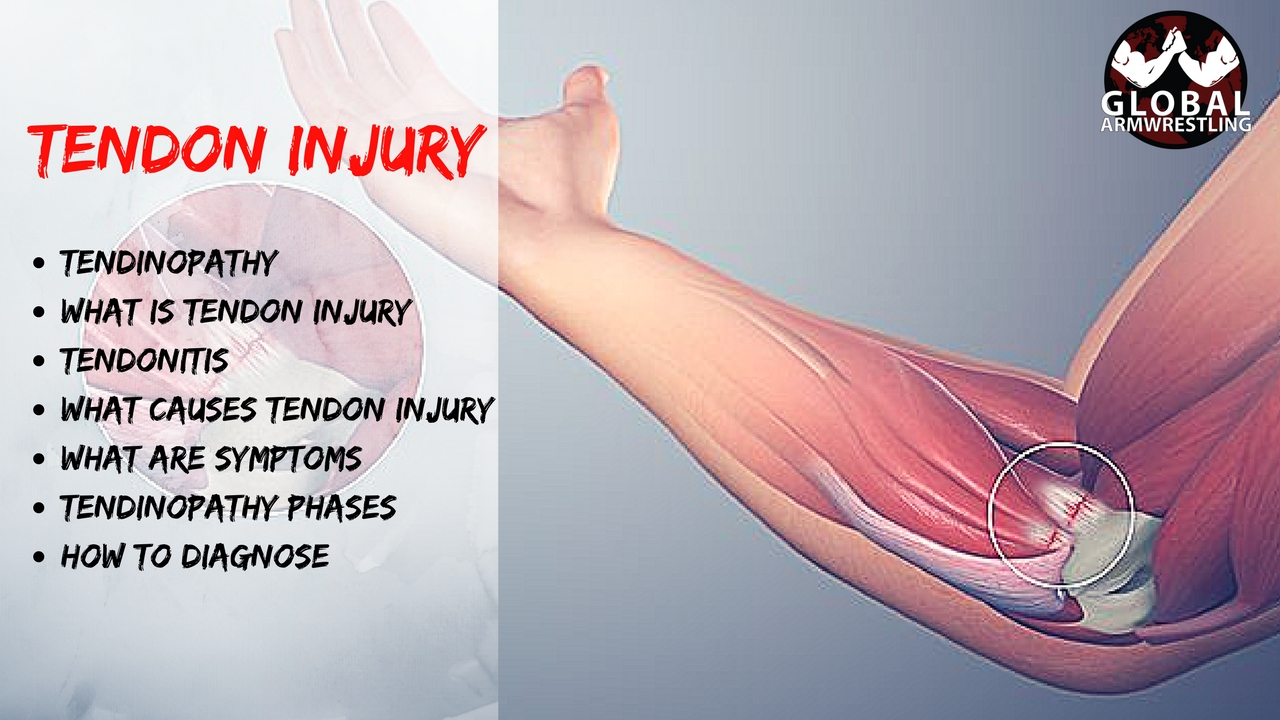
Tendinopathy (tendon injuries) can develop in any tendon of the body.
Typically, tendon injuries occur in three areas:
Non-insertional tendinopathies tends to be caused by a cumulative microtrauma from repetitive overloading eg overtraining.
Tendons are the tough fibres that connect muscle to bone. Most tendon injuries occur near joints, such as the shoulder, elbow, knee, and ankle. A tendon injury may seem to happen suddenly, but usually, it is the result of repetitive tendon overloading. Health professionals may use different terms to describe a tendon injury. You may hear:

Tendinitis (or Tendonitis): This actually means “inflammation of the tendon,” but inflammation is actually normal tendon healing response which can cause some tendon pain. This is known as the reactive phase and is a good tendon healing response.
The problem really occurs when you healing rate is less than your injury rate – known as tendon dysrepair – which is when tendinopathies can quickly deteriorate into the degenerative (cell death) phase. This is characterized by collagen degeneration in the tendon due to repetitive overloading. These tendinopathies therefore do not respond well to anti-inflammatory treatments and are best treated with functional rehabilitation. The best results occur with early diagnosis and intervention.
What Causes a Tendon Injury?
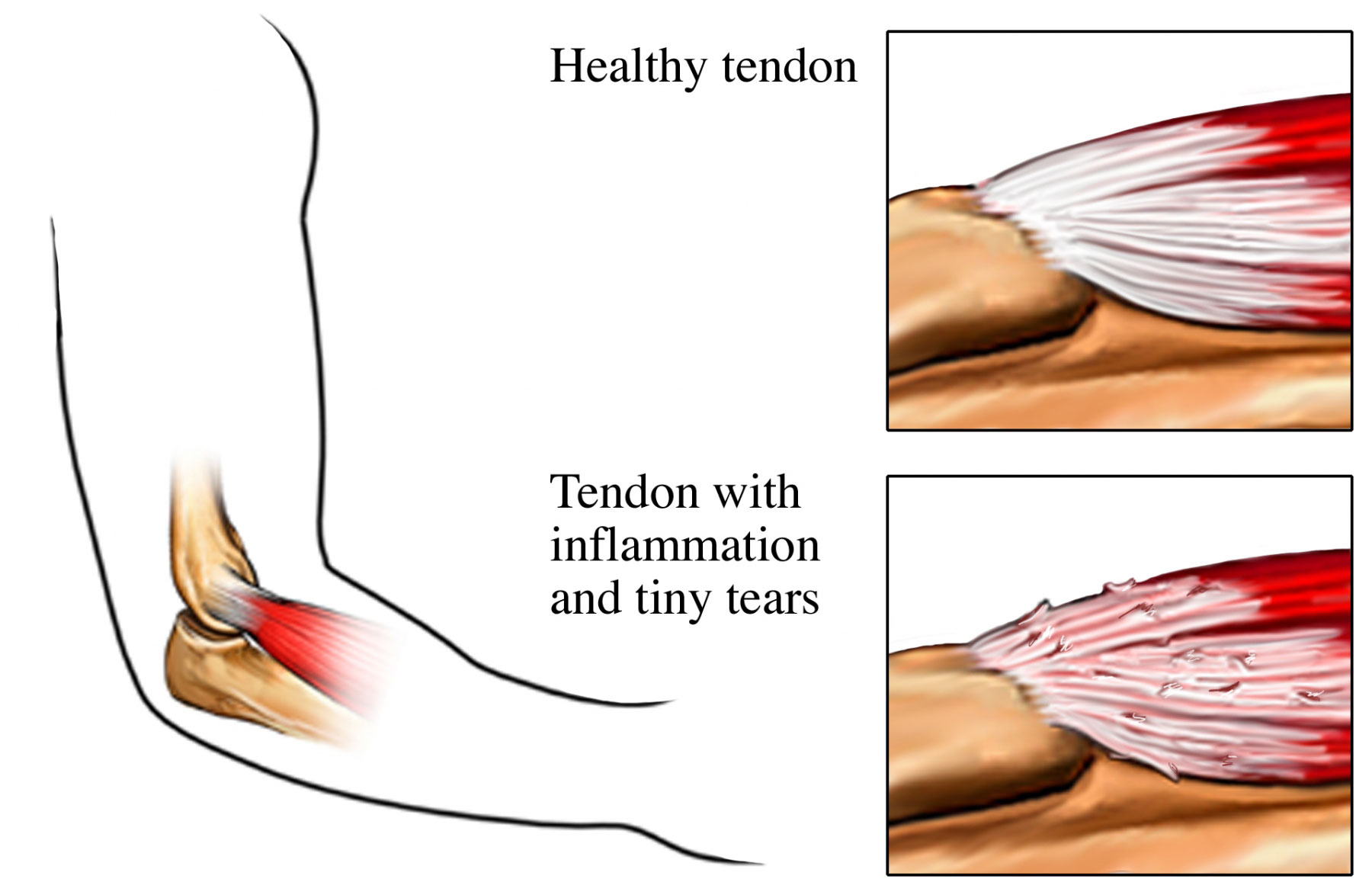
Most tendon injuries are the result of gradual wear and tear to the tendon from overuse or ageing. Anyone can have a tendon injury, but people who make the same motions over and over in their jobs, sports, or daily activities are more likely to damage a tendon.
Your tendons are designed to withstand high, repetitive loading, however, on occasions, when the load being applied to the tendon is too great for the tendon to withstand, the tendon begins to become stressed.
When tendons become stressed, they sustain small micro tears, which encourage inflammatory chemicals and swelling, which can quickly heal if managed appropriately.
However, if the load is continually applied to the tendon, these lesions occurring in the tendon can exceed the rate of repair. The damage will progressively become worse, causing pain and dysfunction. The result is a tendinopathy or tendinosis.
Researchers current opinion implicates the cumulative microtrauma associated with high tensile and compressive forces generated during sport or an activity causes a tendinopathy.
For example, in explosive jumping movements, forces delivered to the patellar tendon can be eight times your body weight. Cumulative micro trauma appears to exceed the tendon’s capacity to heal and remodel.
Tendinopathy usually causes pain, stiffness, and loss of strength in the affected area.
The symptoms of a tendon injury can be a lot like those caused by bursitis.

The inability of your tendon to adapt to the load quickly enough causes tendon to progress through four phases of tendon injury. While it is healthy for normal tissue adaptation during phase one, further progression can lead to tendon cell death and subsequent tendon rupture.
It is very important to have your tendinopathy professionally assessed to identify it’s injury phase. Identifying your tendinopathy phase is also vital to direct your most effective treatment, since certain modalities or exercises should only be applied or undertaken in specific tendon healing phases.
To diagnose a tendon injury, your physiotherapist will ask questions about your past health, your symptoms and exercise regime. They’ll then do a physical examination to confirm the diagnosis. If your symptoms are severe or you do not improve with early treatment, specific diagnostic tests may be requested, such as an ultrasound scan or MRI.
For more Armwrestling videos click this button:
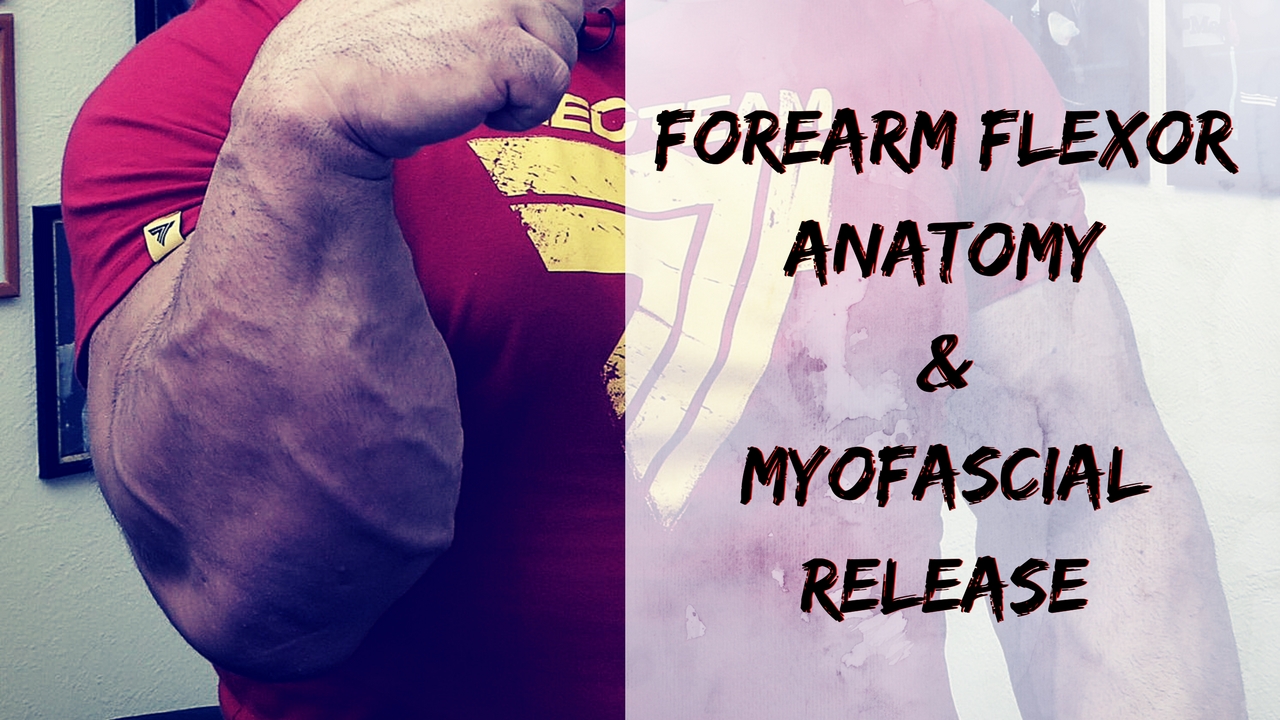
These muscles are largely involved with pronation. The superficial muscles have their origin on the common flexor tendon. The ulnar nerve and artery are also contained within this compartment.The flexor digitorum superficialis lies in between the other four muscles of the superficial group and the three muscles of the deep group. This is why it is also classified as the intermediate group.
Pain in different place of your arm can be caused by a lot of factors. But if pain is located on your muscle there is a big chance it`s a tight spot or trigger point. Armwrestling involves a lot of same movements from gripping (wrist and finger flexion). Any kind of moment that has been overdone can cause muscles to get tight. In this video we are showing some ideas about how to do self massage on your forearm flexor muscles using specific equipment and using things you can find in almost any gym. If your forearms get tight try these and leave a comment did it help.
For more Armwrestling videos click this button:
The muscles of the forearm can be divided into two groups: anterior (flexors) and posterior (extensors).Both the flexors and extensors are further divided into superficial and deep layers.The forearm muscles that control the movement of the hands are known as extrinsic hand muscles. These muscles originate outside the hand and insert on structures within it.
Shown here, the extrinsic hand muscles are the flexor carpi radialis, palmaris longis, flexor carpi ulnaris, and flexor digitorum superficialis.These muscles move the wrist, hand, fingers and thumb.The pronator teres inserts on the radius and pronates the forearm and hand.
The superficial muscles in the anterior compartment are the flexor carpi ulnaris, palmaris longus, flexor carpi radialis and pronator teres. They all originate from a common tendon, which arises from the medial epicondyle of the humerus.
Flexor Carpi Ulnaris
Palmaris Longus
This muscle is absent in about 15% of the population.
Dissection Tip: Just distal to the wrist, if you reflect back the palmaris longus, you will find the median nerve immediately underneath it
Flexor Carpi Radialis
Pronator Teres
The lateral border of the pronator teres forms the medial border of the cubital fossa, an anatomical triangle located over the elbow.
The flexor digitorum superficialis is the only muscle of the intermediate compartment. It can sometimes be classed as a superficial muscle, but in most cadavers it lies between the deep and superficial muscle layers.
The muscle is a good anatomical landmark in the forearm – the median nerve and ulnar artery pass between its two heads, and then travel posteriorly.
There are three muscles in the deep anterior forearm; flexor digitorum profundus, flexor pollicis longus, and pronator quadratus.
Flexor Digitorum Profundus
Flexor Pollicis Longus
This muscle lies laterally to the FDP.
Pronator Quadratus
A square shaped muscle, found deep to the tendons of the FDP and FPL.

Myofascial release (MFR, self-myofascial release) is an alternative medicine therapy that claims to treat skeletal muscle immobility and pain by relaxing contracted muscles, improving blood and lymphatic circulation, and stimulating the stretch reflex in muscles.
Fascia is a thin, tough, elastic type of connective tissue that wraps most structures within the human body, including muscle. Fascia supports and protects these structures. Osteopathic theory proposes that this soft tissue can become restricted due to psychogenic disease, overuse, trauma, infectious agents, or inactivity, often resulting in pain, muscle tension, and corresponding diminished blood flow.
Myofascial release focuses on reducing pain by easing the tension and tightness in the trigger points. It’s not always easy to understand what trigger point is responsible for the pain. Localizing pain to a specific trigger point is very difficult. For that reason, myofascial release is often used over a broad area of muscle and tissue rather than at single points.
All things I`m using in video you can find by clicking on picture.
FOAM ROLLER

Nano Triggerpoint Roller

Myofascial Release Ball

For more Armwrestling videos click this button:
https://youtu.be/JtfHw8NyEGw
Raimonds Liepiņš – Coach RayX
INSTAGRAM: https://www.instagram.com/coach_rayx/
FACEBOOK: https://www.facebook.com/coach.rayx
TWITTER: https://twitter.com/RaimondsLiepins
https://www.youtube.com/watch?v=WlC496Vzx5I